Navigating the Aging Workforce: Strategies for Effective Workforce Planning with Greg Blatt
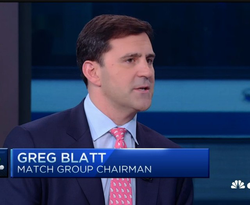 The aging population presents both challenges and opportunities for organizations striving to optimize talent management and succession planning. Greg Blatt, an executive renowned for his expertise in leadership and organizational development, offers valuable insights into the implications of an aging workforce and strategies for organizations to adapt and thrive amidst generational diversity.
Greg Blatt is the CEO of both Match.com and Tinder, as well as InterActive Corp. Greg Blatt learned how to gain traction in an ever-changing industry. This type of leadership requires not only creativity but flexibility in adapting and modifying goals when necessary.
An article with Programming Insider entitled “Executive Profile: Greg Blatt”, talks about how Former Match Group and Tinder CEO Greg Blatt has meticulously chosen his professional assignments, and has developed a meaningful array of roles that have lent themselves perfectly to his continued success, and ability to thrive professionally.
The implications of an aging workforce extend beyond retirement age demographics; they permeate talent management and succession planning strategies, necessitating proactive measures to address evolving workforce dynamics. Blatt underscores the importance of recognizing the wealth of knowledge and experience that older employees bring to the table while simultaneously preparing for the transition of leadership roles and critical skill sets.
One key challenge organizations face is the risk of knowledge loss and skill gaps resulting from the departure of experienced employees. Blatt emphasizes the importance of implementing knowledge transfer initiatives that facilitate the sharing of tacit knowledge and best practices between seasoned employees and their younger counterparts. By fostering mentorship programs, cross-generational collaboration, and structured knowledge transfer processes, organizations can mitigate the impact of workforce aging on organizational capabilities.
Moreover, Blatt highlights the significance of talent development and reskilling initiatives in preparing the workforce for future challenges and opportunities. As older employees approach retirement age, organizations must invest in upskilling and reskilling programs to ensure the continuity of critical competencies and adapt to evolving business needs. By empowering employees to acquire new skills and competencies, organizations can future-proof their workforce and drive sustainable growth in an increasingly competitive landscape.
In navigating the challenges of an aging workforce, Greg Blatt emphasizes the importance of fostering a culture of inclusivity, where employees of all ages feel valued, respected, and supported in their professional development journey. By embracing generational diversity and leveraging the unique strengths and perspectives of employees across different age groups, organizations can foster a culture of continuous learning, innovation, and collaboration.
As organizations confront the realities of an aging workforce, effective workforce planning is essential to ensuring long-term success and sustainability. Greg Blatt’s insights underscore the importance of proactive talent management and succession planning strategies that prioritize knowledge transfer, skill development, and inclusivity. By embracing the opportunities presented by generational diversity and investing in the professional growth and development of employees across all age groups, organizations can adapt and thrive in an environment where multiple generations coexist harmoniously. Visit this page for more information.
More about Greg Blatt on https://www.linkedin.com/in/greg-blatt-a795a35b